


The Ultimate Showdown Between SOLIDWORKS AI and ChatGPT for Engineering
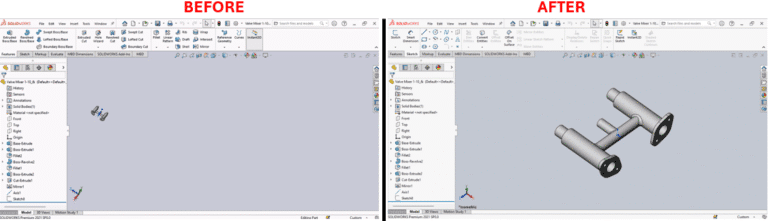
When PLM Group shared a video showing SOLIDWORKS AI generating VBA code, it grabbed my attention. Additionally, I was intrigued by the native automation and looked into the comments. I wanted to know exactly how many tokens the macro costs to generate. The answer got me thinking about the true price of engineering AI. Dassault Systèmes charges $1,250 annually for 25,000 “Blue Tokens”, making each token worth $0.05. SOLIDWORKS AI pricing mirrors a token-based model that affects project costs. PLM Group confirmed to me that generating a native macro consumes about 5 tokens. Now, we need to take this with a grain of salt because not all macros are the same in complexity. For the sake of this analysis, we’re assuming this is the average cost per macro (or unit of work as Dassault likes to call them). This brings the direct cost to $0.25 per script. A $20 monthly subscription for ChatGPT or Claude makes generations feel free. Engineers are quick to push back on token-based fees. I’ve seen this reaction firsthand from a friend who is a PDM administrator when we discussed the cost of SOLIDWORKS’ AI. But I realized that logic completely ignores the hidden cost of engineering labor. Using external AI like ChatGPT requires copying code, running VBA scripts, hitting object model errors, and pasting stack traces back into a browser. If my standard engineering rate is $90 an hour (that’s not the Blue Byte Systems’ rate by the way), spending 15 minutes context switching and debugging costs $22.50 in wasted labor per macro. With native SOLIDWORKS AI, the agent acts directly on active models and tests its own execution. I would only spend perhaps two minutes prompting and reviewing. At five tokens, the total transaction costs just $3.25. Saving 13 minutes of high value engineering time means a $1,250 token package pays for itself after just 55 macros. Yet I see a glaring flaw in the current delivery model. By locking Blue Tokens behind a $1,250 yearly subscription, the pricing structure effectively shuts out hobbyists, freelancers, and small shops. Some teams cannot always justify heavy upfront cash commitments when project workloads fluctuate wildly. Forcing users into enterprise volume packs pushes smaller creators toward external LLMs and fragmented workflows. The native AI delivers exceptional ROI for corporate engineering teams. However, to win over the broader maker and small business community, the platform could offer a flexible monthly tier. Additionally, a pay as you go token pool could work. This approach would increase accessibility. Did you know? Our product PDMShell features native Claude integration using MCP servers, bringing AI directly into SOLIDWORKS PDM and engineering data workflows. Read: Using Claude with SOLIDWORKS PDM through the PDMShell MCP Server → We can also tailor Claude-powered features to your SOLIDWORKS PDM environment and engineering workflows. Need custom CAD programming, macros, or bespoke AI integrations for your engineering stack? Contact Blue Byte Systems →